Managing the Lesson Change Rush with High-Speed Bottle Fillers
February 16, 2026
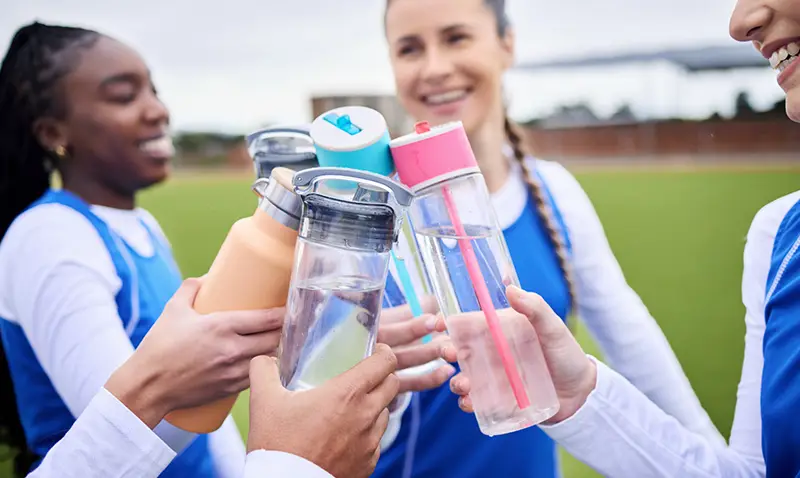
In the complex ecosystem of UK education, from sprawling university campuses to bustling secondary schools, estate managers and School Business Managers face a unique logistical hurdle: the “Bell-to-Bell” rush. For five to ten minutes between lessons, corridors transform into high-traffic arteries. In these windows, every second counts.
When students converge on hydration points simultaneously, traditional water fountains often fail. The result? Congestion, frustrated staff, and the all-too-common “flooded hallway.” Moreover, in an era where plastic-free campus initiatives in the UK are no longer a “nice-to-have” but a core institutional KPI, the pressure is on to provide sustainable hydration for schools that actually work under pressure.
At Culligan UK, we understand that a school bottle filling station is more than just a plumbing fixture; it is a critical piece of infrastructure that supports student health, operational efficiency, and environmental stewardship. This guide explores how modern, high-speed hydration solutions are reshaping the educational landscape.
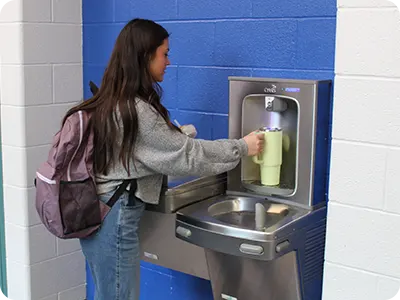
The primary failure of legacy hydration systems in schools is speed. A traditional “bubbler” fountain is designed for a slow sip, not for filling a 500ml reusable bottle. When fifty students have five minutes to move between buildings and refill their water, a slow-flow fountain creates a bottleneck.
Congestion in corridors is a safeguarding and operational risk. When queues for water spill into the middle of the hallway, they impede the flow of traffic, leading to late arrivals for lessons and heightened stress levels for both students and staff.
A high-speed water filler is engineered specifically for this “peak demand” scenario. Systems like the Oasis P8EBQY Hands-Free Filler are designed to fill a standard bottle in seconds. By increasing the flow rate without splashing, these units ensure that students can “tap and go.”
Beyond speed, these units engage the student body. The integrated digital counters provide real-time data on how many single-use plastic bottles have been diverted from landfills. During the rush, seeing that number tick up creates a sense of collective achievement, reinforcing the “refill culture” every time a student fills up between classes.
One of the most frequent questions we hear from campus facility leads is: “Why do school water fountains often flood or clog?”
The answer lies in the design. Standard fountains often have shallow basins and small drainage holes. In a school environment, these are easily blocked by debris, be it a stray piece of paper, chewing gum, or heavy sediment from older piping. When 30 students use a slow-draining unit in quick succession, the water has nowhere to go but onto the floor.
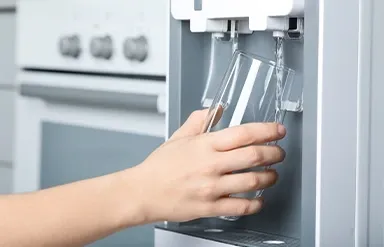
A robust refillable water station for schools must feature:
By investing in a school campus water dispenser with a purpose-built drainage system, estate managers can significantly reduce the “slip and trip” risks associated with flooded corridors and lower the burden on cleaning staff.
In high-traffic education environments, durability and hygiene are non-negotiable. The shift towards touchless technology has accelerated in recent years, but in schools, this technology must also be “student-proof.”
Absolutely. Traditional fountains require the user to press a button or turn a handle, surfaces that can harbour bacteria and viruses. A touchless, sensor-activated campus hydration solution eliminates this contact point entirely. By simply placing a bottle in the alcove, the water begins to flow. This not only reduces the spread of seasonal illnesses but also makes the unit more accessible for students with disabilities.
Schools are tough environments. To ensure longevity, Culligan recommends recessed alcoves and heavy-gauge stainless steel construction. The Oasis Aqua Pointe Surface Mount is a prime example of a unit designed to be tucked away, making it harder to damage while remaining easy to access. Recessed designs prevent students from hanging bags on the unit or accidentally knocking into it during a busy lesson change.
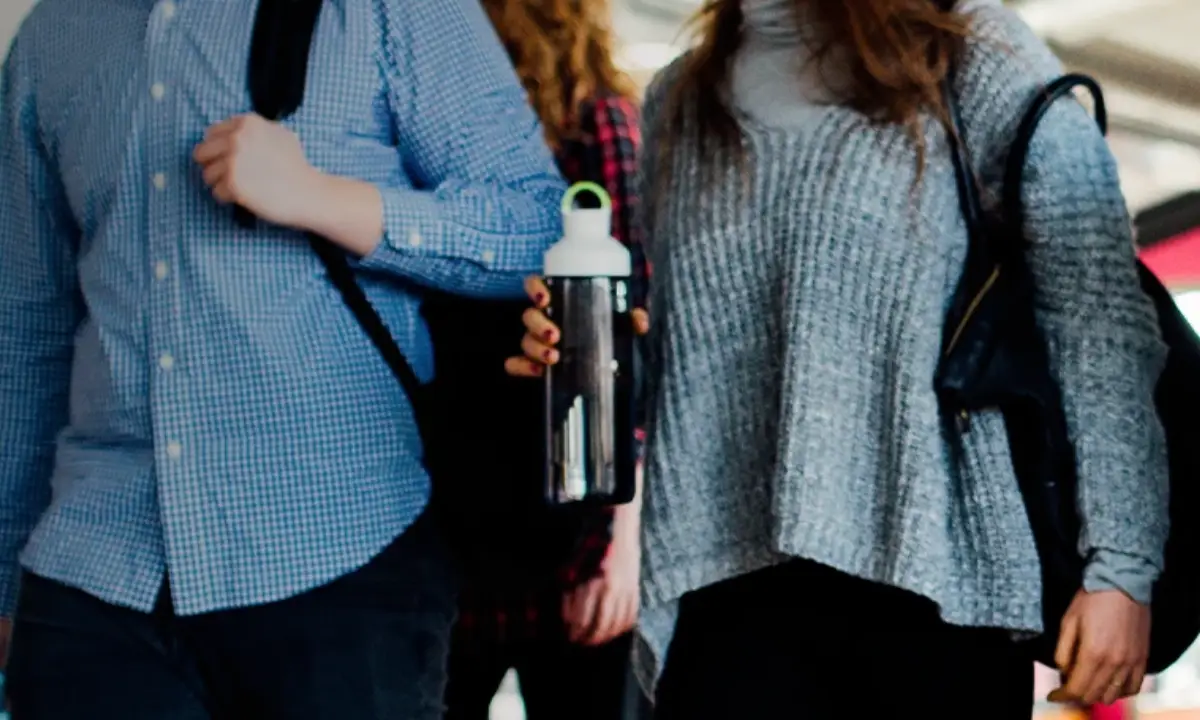
The push for better hydration isn’t just about plumbing; it’s about pedagogy. Numerous studies have highlighted the link between hydration and brain function.
By placing high-speed fillers in strategic locations, outside gymnasiums, near libraries, and in main thoroughfares, institutions send a clear message: student well-being is a priority. For larger communal areas such as the canteen or student dining room, high-capacity units like the C7 Firewall deliver the same level of UVC purification and high-volume output required to serve hundreds of students during lunch breaks.
When comparing bottle fillers vs traditional water fountains, the initial capital expenditure for a high-tech filler is often higher. However, when you calculate the refillable water bottle station ROI, the financial case becomes clear.
Traditional fountains often require frequent repairs due to mechanical button failure or plumbing leaks. Modern, mains-fed fillers are designed for high-duty cycles. Because they are “mains-fed,” there is no cost to purchase, transport, or store heavy-water plastic bottles.
For an estate manager looking at a 10-year horizon, the total cost of ownership (TCO) for a high-speed bottle filler is significantly lower than maintaining a fleet of ageing, inefficient fountains.
Fostering a refill culture is a long-term investment in the health of our students and the health of our planet. By choosing high-speed, clog-resistant, and hygienic bottle filling stations, UK schools and universities can turn a logistical challenge into a sustainability success story. Let’s make the “Lesson Change” rush a thing of the past and a plastic-free future a reality.

Managing a school campus is a balancing act of budget, safety, and student satisfaction. At Culligan, we don’t just supply hardware; we provide a full-service hydration strategy. From initial site surveys to determine the best locations for your high-speed water filler to ongoing maintenance that ensures your filters are always performing at their peak, we are committed to the UK education sector.
Our solutions are designed to withstand the rigours of the British school year, ensuring that your “Bell-to-Bell” challenge is solved once and for all.
Ready to transform your campus hydration?
If you are looking to upgrade your facilities, reduce your environmental footprint, and eliminate the headache of corridor flooding, our experts are here to help. We can provide tailored advice on the best units for your specific student headcount and building layout.
Take the first step toward a plastic-free campus today.
Get a bespoke quote for your school or university here